How a Water Softener Works: A Simple Guide for Cicero IL Homeowners
A water softener may look like a complicated piece of equipment, but its basic job is easy to understand. It removes the calcium and magnesium minerals responsible for hard water before they travel throughout your home. By using a process called ion exchange, the system helps reduce mineral buildup and changes how your water behaves during everyday activities such as washing, bathing, and cleaning.
What Happens When Hard Water Enters Your Home?
Hard water contains dissolved minerals, primarily calcium and magnesium.
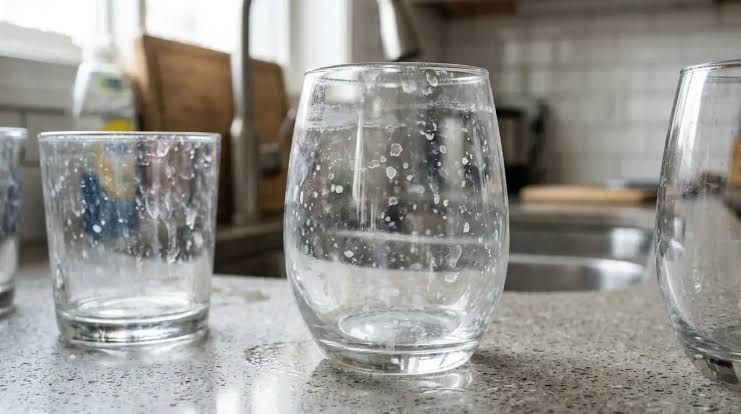
You may not notice these minerals when water comes from your faucet. However, they can become much more obvious after the water dries. White deposits around faucets, cloudy glassware, scale on fixtures, and buildup inside water using appliances can all be signs of mineral rich water.
A water softener is installed on the home's water supply so it can treat the water before it reaches the rest of the plumbing.
The heart of the system is a tank containing thousands of tiny resin beads.
Think of the Resin Beads Like Tiny Magnets
The easiest way to understand ion exchange is to think about the resin beads as tiny magnets.
These beads have an attraction to calcium and magnesium. As hard water flows through the tank, the resin beads capture these minerals.
At the same time, sodium ions are released into the water.
The calcium and magnesium stay attached to the resin while the treated water continues through your plumbing.
This process happens automatically as water passes through the system.
It Is Like a Mineral Swap
Another simple way to picture the process is to imagine a swap.
The resin beads begin with sodium ions attached to them. When calcium and magnesium enter the tank, they take the place of some of those sodium ions.
The resin keeps the hardness minerals, while sodium moves into the water.
This exchange is why the process is called ion exchange.
The system is not filtering out every substance in the water. It is specifically designed to target the minerals responsible for water hardness.
Why Does the Resin Need to Be Regenerated?
The resin beads have a limited capacity.
After treating a large amount of hard water, the resin becomes loaded with calcium and magnesium. Eventually, it needs to be restored so it can continue doing its job.
This is where regeneration comes in.
During regeneration, the softener draws a concentrated saltwater solution from the brine tank. The sodium rich solution helps remove the accumulated hardness minerals from the resin.
The system then flushes the unwanted minerals away and prepares the resin for another cycle.
What Is the Brine Tank For?
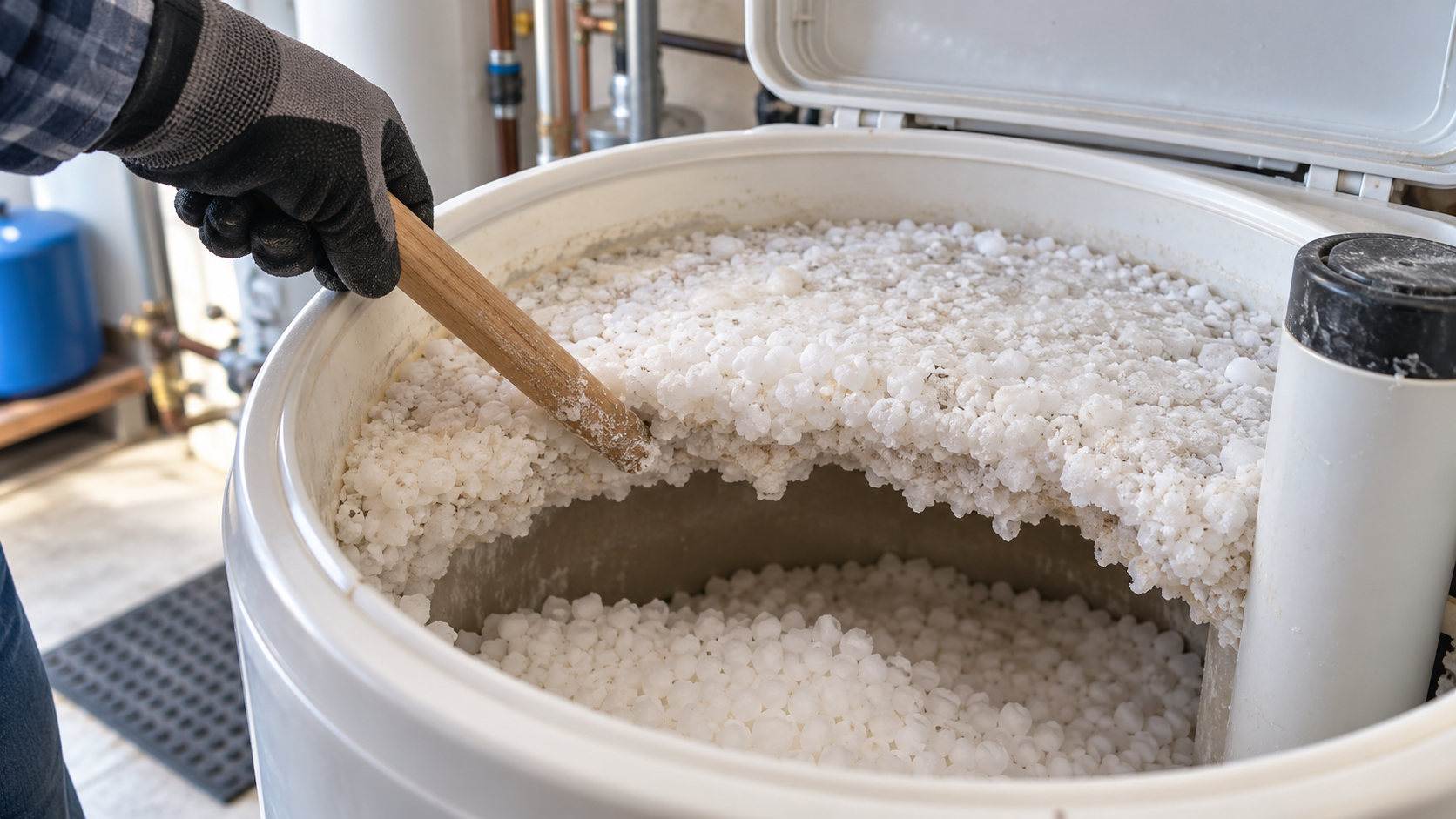
The second major part of a traditional water softener is the brine tank.
This is the tank where salt is stored and mixed with water when the system begins regeneration.
The resulting brine solution is sent through the resin tank to restore the resin beads.
This means the salt is primarily used for regeneration. It is not simply dumped into your home's water supply to make the water soft.
Keeping the brine tank supplied with the appropriate salt is therefore an important part of maintaining a traditional softener.
What Happens After Regeneration?
Once regeneration is complete, the resin beads are ready to capture calcium and magnesium again.
Your softener returns to normal operation, and incoming hard water passes through the resin tank before entering the home's plumbing.
Depending on the system, regeneration may occur based on a timer, water usage, or other programmed settings.
A properly sized and maintained system should be able to provide consistent softening without requiring constant attention from the homeowner.
What Can You Notice After Softening?
The purpose of removing hardness minerals is not simply to change the chemistry of the water. It can also affect everyday household tasks.
You may notice less mineral residue around faucets and fixtures. Glassware can have fewer cloudy spots, and soap may lather differently during showers and hand washing.
Appliances that regularly use water can also have less exposure to hardness minerals.
The exact results depend on your home's incoming water, the hardness level, water usage, and the condition of the softener.
What If Your Water Softener Is Not Working?
If you have a softener but still notice signs of hard water, several things could be responsible.
The brine tank may have an issue, the system could be in bypass mode, or the softener may not be regenerating correctly. In some cases, the resin may have reached the end of its useful life.
Water conditions can also change, so testing the water can help determine whether the softener is still providing the expected level of treatment.
Rather than simply adding more salt or changing settings at random, it is better to identify the actual cause of the problem.
Is a Water Softener Right for Your Cicero Home?
The best way to determine whether a water softener is appropriate is to start with your home's water quality.
A water hardness test can show how much calcium and magnesium are present. From there, a water treatment professional can help determine whether softening is needed and what type and capacity of system may be suitable.
Understanding how the equipment works also makes routine maintenance easier because you know what the salt, resin, and regeneration cycle are actually doing.
Get More From Your Water Treatment System
A water softener is not as complicated as it may appear. At its core, the system uses resin beads to exchange hardness minerals for sodium ions. The resin is then regenerated with a brine solution so the process can continue.
For homeowners in Cicero, IL, understanding this process can make it easier to recognize potential problems and maintain the system properly.
Cicero Water Softener helps homeowners address hard water concerns with water treatment solutions designed around their household needs. If you have questions about your water quality or how a softener could work in your home, contact Cicero Water Softener for professional guidance.